WOW! Tony and his team completely transformed our front landscaping, which included a custom veneer retaining wall, shrubs, trees and a front curb light (with veneer) to match the house. We could not be more pleased!! Highly recommend!
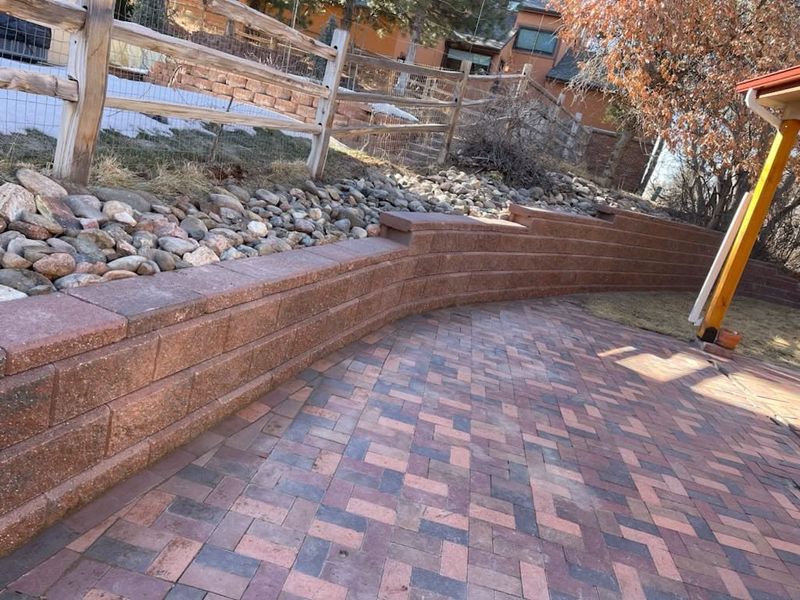
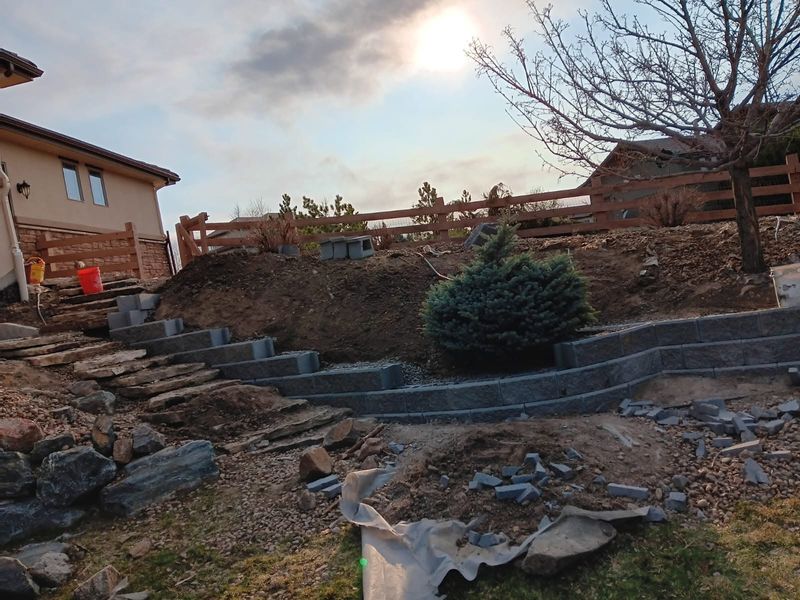
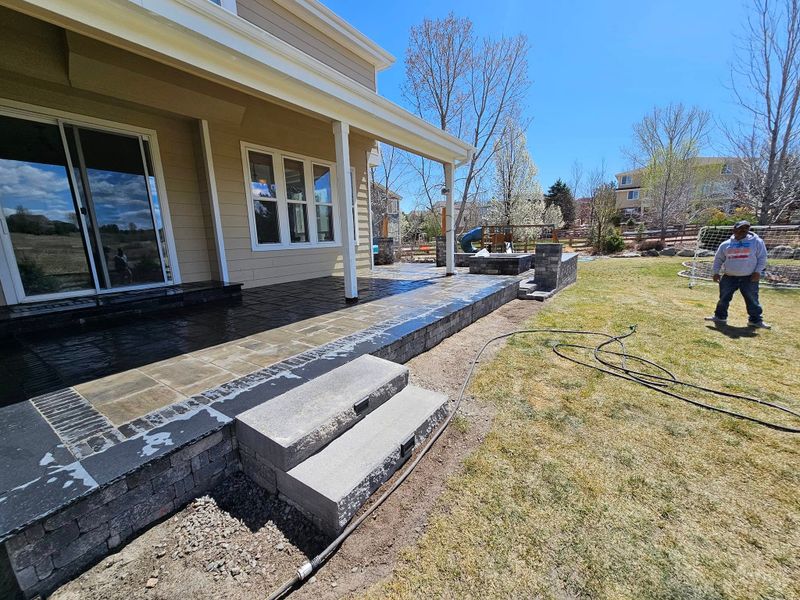
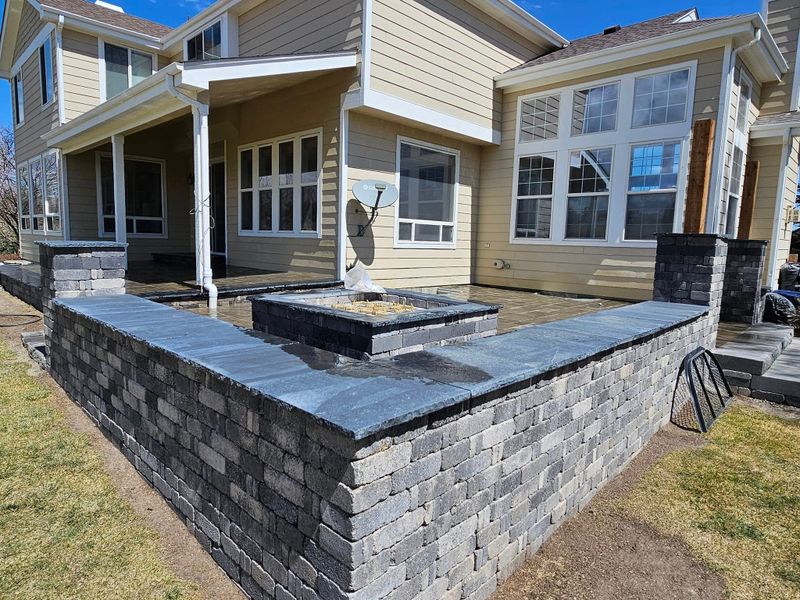

Retaining walls in Parker, CO
How are retaining walls built in Parker, CO?
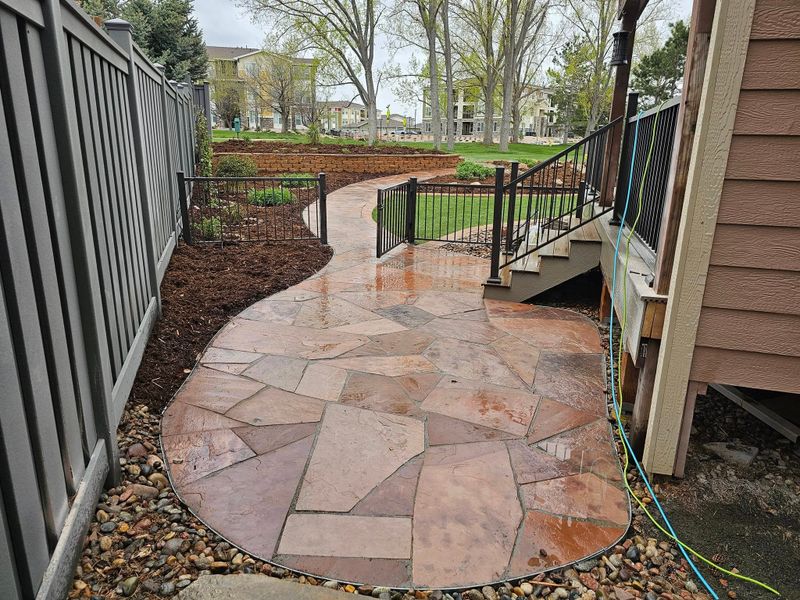
A retaining wall holds soil where the ground would otherwise slide, slump or wash out. Around Parker and Elizabeth, that usually means a sloped front yard, a backyard that needs a level spot for a patio, or a bed that keeps losing mulch downhill. Tony and the crew at Jacob's Landscaping build retaining walls for homes and commercial properties in segmental block, natural stone and veneer-faced styles, plus terraced beds and seating walls that double as a place to sit. The wall you see is the smaller part of the job. Front Range clay swells when it is wet and the ground freezes and thaws all winter, so a wall lasts because of the compacted base under it and the drainage behind it. We plan the height, the curve and the material around your slope and your house, then build it from the ground up.
Taller walls may need an engineered design or a permit, depending on your town and your HOA. It is worth checking before you plan around a wall, and we will talk through what applies at the estimate.
Wall types


What kinds of retaining walls can we build for your yard?
The right wall depends on the slope, the look of your house and what the wall has to do. Here are the five kinds we build most.
Segmental block walls
Interlocking concrete block stacked in courses, the most common choice for a yard. It handles curves, corners and steps, comes in many colors, and drains well when it is backed with gravel.
Natural stone walls
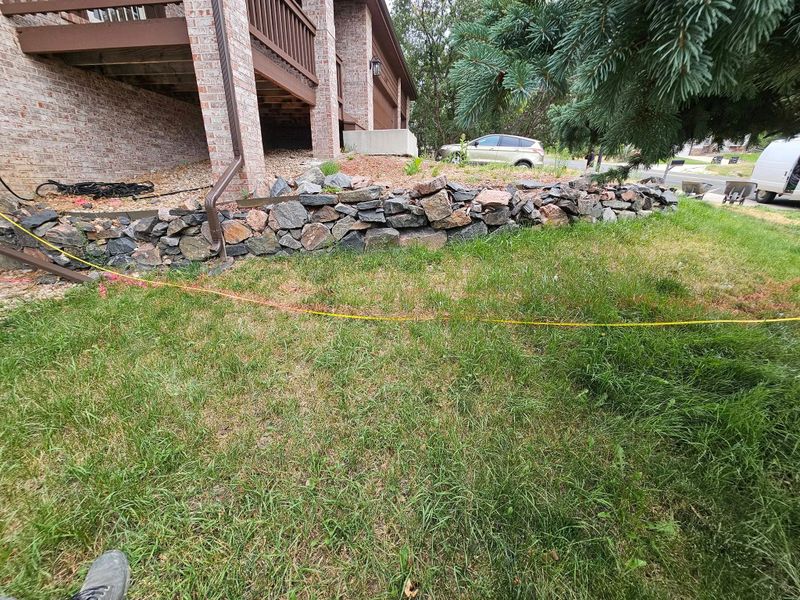
Real fieldstone or boulders fitted by hand, so no two walls look alike. It suits a rustic yard, a rolling slope or a wall that should look as if it has always been there.
Veneer-faced walls
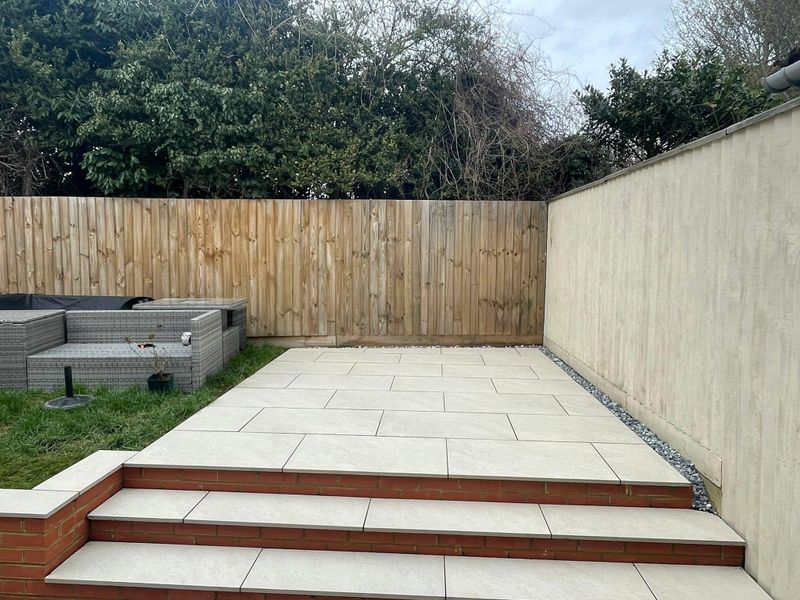
A structural wall faced with stone or brick veneer to match your house, an entry or a planter. The veneer is the finish. The wall behind it still needs the same base and drainage.
Terraced beds
Two or three shorter walls stepping up a hill instead of one tall one. Terraces turn a steep slope into level planting beds and keep soil and mulch from washing downhill.
Seating walls
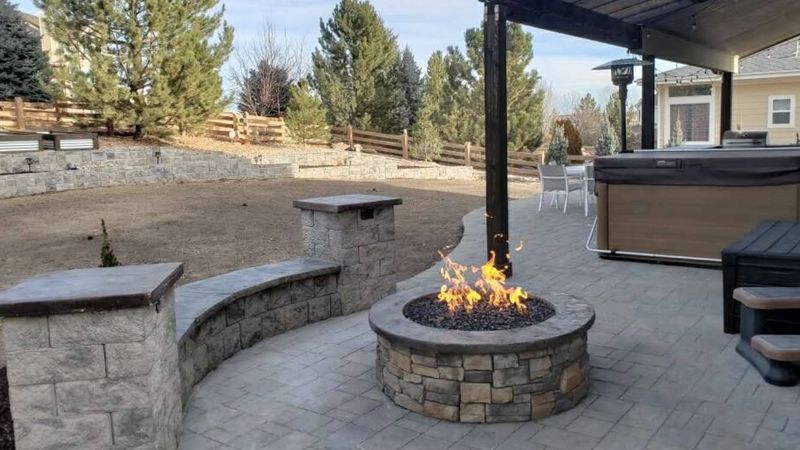
Low walls built at sitting height around a patio or fire pit. They edge the space, hold back a small grade change and give guests a place to sit without more furniture.
What keeps a wall standing
What actually holds a retaining wall up for years?
Mostly what you cannot see once the job is done. Four things do the work, and water is the reason each one matters.
Base
We dig below the wall, remove soft or loose soil, and pack crushed rock into a level pad. The first course sits on that pad, so the wall starts flat and stays flat through freeze and thaw.
Drainage aggregate
Clean, angular gravel goes right behind the wall instead of the dirt you dug out. Water drains down through it rather than building up against the wall, and gravel does not swell like clay.
Drain pipe
A perforated pipe runs along the bottom of that gravel and carries water out to a spot where it can leave without running toward your house or onto a neighbor.
Setback
Each course steps back slightly into the slope, so the wall leans into the soil it holds. Taller walls may also add layers of reinforcing fabric tied back into the hill.
How it works
How does a retaining wall project go from estimate to finished?
Walk the site and give a free estimate
Tony or the crew looks at the slope, where water runs and what the wall has to do. We talk through the type and look, and flag whether the wall may need engineering or a permit. The visit is free.
Plan the wall
We settle the location, the length, the height, any curves or steps, the material and where the drain pipe will outlet, so the layout works with your grade and your house.
Excavate and build from the ground up
The crew digs out the footing and packs the base, sets the first course level, then stacks and backfills together. Gravel and the drain pipe go in as the wall rises, not as an afterthought.
Cap, grade and finish
Caps go on, the ground behind the wall is graded so water heads away from it, and beds are ready for planting or mulch. The site is cleaned up before we leave.
Where we build
Retaining walls across Parker and the south Denver metro
We build walls, terraces and seating walls for homeowners and businesses in these towns.
ParkerFranktownElizabethCentennialCastle RockCastlewoodGreenwood Village
- Insured, so your property and our crew are covered while we work.
- Locally owned, with Tony leading the crew and Carol in our office keeping you updated.
- Free estimates for residential and commercial retaining wall projects.
Questions
Retaining wall questions we hear
How much does a retaining wall cost in Parker?
The price depends on the wall length and height, the material you choose, how much digging the base needs, how hard the site is to reach and whether drainage, steps or reinforcement are involved. We do not quote over the phone. Tony or the crew looks at the site and gives you a free estimate.
Do I need a permit or an engineer for a retaining wall?
Taller walls may need an engineered design or a permit, and the rules differ from town to town and between HOAs. A good first step is to ask your town or HOA before work starts. We talk through what applies to your wall at the free estimate so there are no surprises.
Which is better, segmental block or natural stone?
Neither is better for every yard. Segmental block is uniform, easy to curve and works well for most slopes and terraces. Natural stone looks more organic and suits a rustic setting. Both stand up the same way, on a compacted base with gravel and drainage behind them. We help you choose at the estimate.
Why do some retaining walls lean or crack?
Usually water and a weak base. Soil behind the wall gets saturated, swells and freezes, and pushes on the wall with more force than it was built for. A rushed base can also settle unevenly. Gravel and a drain pipe behind the wall, on a compacted base, are what prevent most of it.
Do you build retaining walls in Castle Rock, Centennial and Elizabeth?
Yes. We build retaining walls in Parker, Franktown, Elizabeth, Centennial, Castle Rock, Castlewood and Greenwood Village, for homes and commercial properties. Call or request an estimate and we will tell you how the schedule looks for your town and your type of wall.
Have a slope, a washed-out bed or a patio that needs a wall?
Reviews
Take a look at what your neighbors are saying about us.
Ready to get started?
Book an appointment today